
The History of Pilates: Origins, Benefits, and Why It Became So Popular
Discover the history of Pilates, from its origins to its rise in modern wellness, and learn why this timeless method builds strength, stamina, and a beautifully balanced body.
6/7/2025
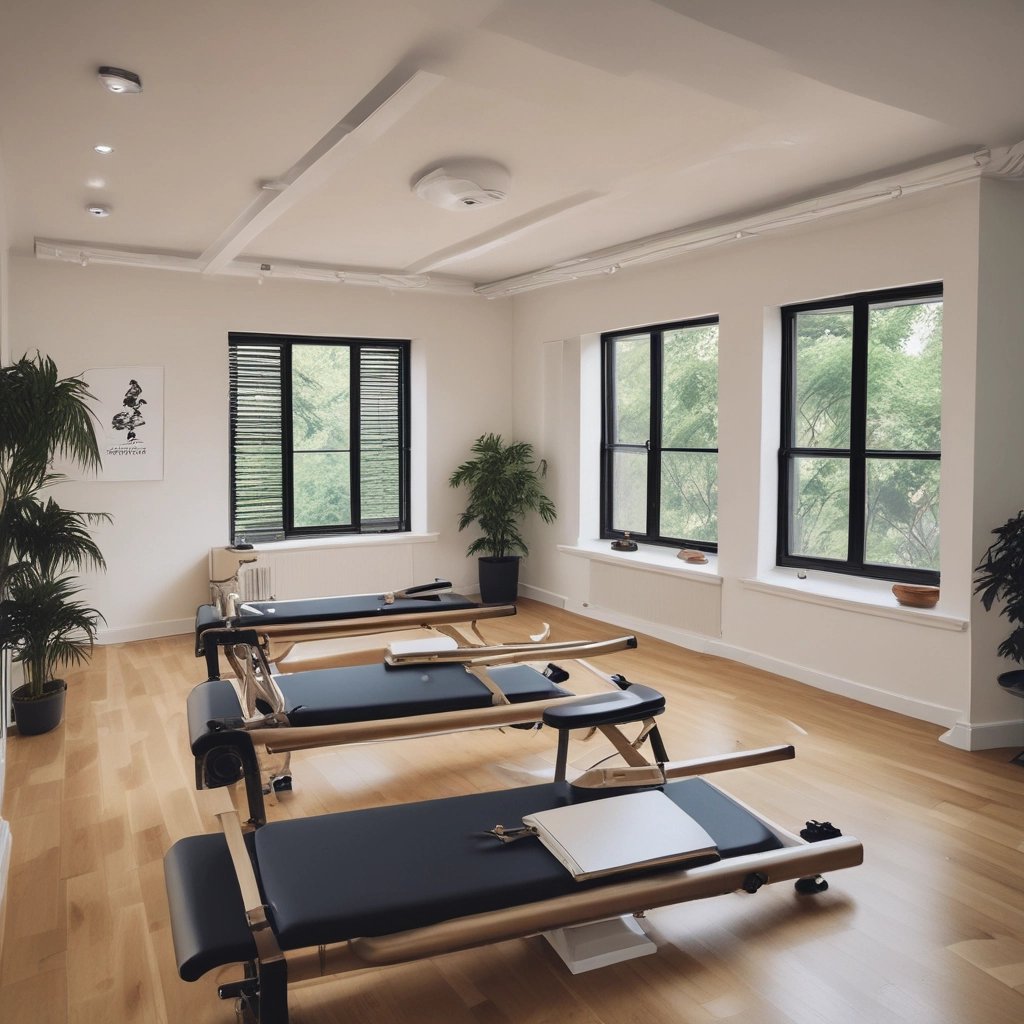
Pilates is often associated with graceful movement, toned muscles, and a strong, elegant posture. But behind its modern image lies a rich history rooted in rehabilitation, discipline, and a deep understanding of the human body. From its early beginnings to its rise in contemporary wellness culture, Pilates has evolved into one of the most respected movement practices for both physical strength and aesthetic balance.
Where Pilates Originates From
Pilates was developed in the early 20th century by Joseph Pilates, a German physical trainer who believed that physical health and mental clarity were inseparable. As a child, Joseph Pilates struggled with asthma, rickets, and other illnesses, which led him to study anatomy, movement, yoga, gymnastics, and martial arts. During World War I, he was interned in England, where he began refining his exercise method while working with injured soldiers. Using bed springs and resistance systems, he helped patients regain strength and mobility - an innovation that later inspired Pilates equipment such as the Reformer. Joseph Pilates originally called his method Contrology, emphasizing controlled, precise movements guided by breath and concentration. This foundation still defines Pilates practice today.
How Pilates Became Popular and “Trendy”
Pilates arrived in the United States in the 1920s, when Joseph Pilates and his wife Clara opened a studio in New York City. Its proximity to dance studios led many professional dancers to adopt Pilates for injury prevention, rehabilitation, and performance enhancement. For decades, Pilates remained relatively niche. Its rise into mainstream fitness culture began in the late 1990s and early 2000s, when celebrities, physical therapists, and fitness professionals began promoting it as a low-impact yet highly effective workout. As modern wellness trends shifted toward longevity, posture, and functional movement, Pilates naturally gained popularity. Unlike many fitness trends, Pilates endured because of its proven benefits rather than short-term appeal.
Why Pilates Is Good for Physical Stamina
Pilates builds physical stamina by strengthening deep stabilizing muscles, particularly the core. Rather than focusing on high-impact or repetitive movements, Pilates trains the body to move efficiently and with control. Each exercise engages multiple muscle groups simultaneously, improving muscular endurance, coordination, and balance. Over time, this leads to greater stamina both during workouts and in everyday movement. Breath control is a key component of Pilates. Coordinated breathing improves oxygen flow, supports endurance, and reduces unnecessary tension, allowing the body to work harder without fatigue.
How Pilates Enhances the Body’s Aesthetic Appearance
One of the most well-known benefits of Pilates is its effect on the body’s appearance. Pilates emphasizes length, alignment, and balance, encouraging muscles to work through their full range of motion. This results in long, toned muscles rather than bulk. Improved posture plays a major role in Pilates’ aesthetic impact - strengthening the core, back, and stabilizing muscles naturally lifts the body and creates a more elongated silhouette. Rather than reshaping the body artificially, Pilates enhances the body’s natural structure, contributing to a strong yet graceful appearance.
Pilates as a Sustainable and Holistic Movement Practice
Beyond physical benefits, Pilates encourages body awareness, focus, and mindful movement. Its low-impact nature makes it suitable for a wide range of ages and fitness levels, supporting long-term consistency and injury prevention. Today, Pilates continues to evolve while staying true to its original principles. It remains a method built on precision, balance, and respect for the body -qualities that explain why Pilates has remained relevant for over a century.
Find beautiful pilates and yogawear at the Pilateswear section.
That Woman Beauty & Fashion
Explore our sleek website template for seamless navigation.
Contact
Newsletter
info@email.com
123-123-1234
© 2025. All rights reserved.