
Argan Oil vs Coconut Oil for Hair: Which One Is Better for Your Hair Type?
Argan oil vs coconut oil for hair: discover the key differences, benefits, and which oil is best for your hair type and natural hair growth goals.
2/15/20263 min read
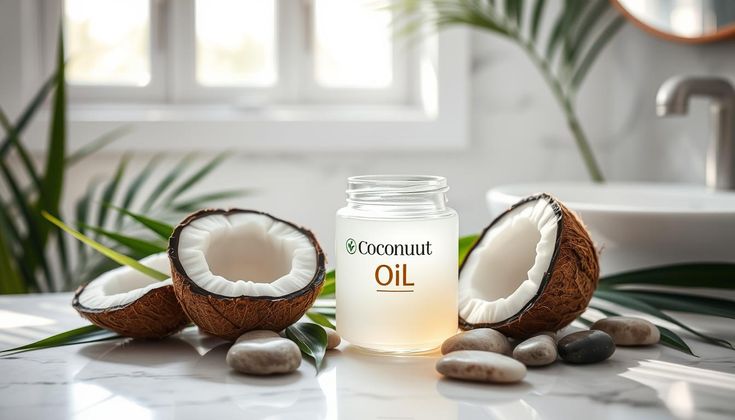
When it comes to natural hair care, two oils consistently stand out: argan oil and coconut oil. Both are widely praised for their nourishing properties, shine-enhancing effects, and ability to improve overall hair health.
But while they may seem interchangeable, argan oil and coconut oil behave very differently on the hair and scalp. Choosing the right one depends on your hair type, texture, and specific goals.
Let’s take a closer look at how they compare.
The Origins: Moroccan Argan Oil vs Tropical Coconut Oil
Argan oil comes from the kernels of the argan tree native to Morocco. Traditionally hand-pressed, it has long been valued for cosmetic and culinary use. Often called “liquid gold,” it is rich in vitamin E, antioxidants, and essential fatty acids.
Coconut oil, on the other hand, is extracted from mature coconuts and has been used for centuries in tropical regions for skin, hair, and cooking. It is particularly high in lauric acid, a fatty acid known for its deep penetration into the hair shaft.
Argan Oil for Hair: Lightweight Nourishment and Shine
Argan oil is best known for its lightweight texture and fast absorption.
Benefits of Argan Oil for Hair
Smooths frizz without heaviness
Adds natural shine
Improves hair elasticity
Helps reduce breakage
Nourishes dry ends
Because it is light and non-greasy, argan oil works especially well for:
Fine hair
Thin hair
Wavy hair
Hair prone to frizz
It coats the hair gently, protecting it without weighing it down.
Best for: daily styling, frizz control, lightweight hydration. For a deeper look at its origins and full range of benefits, you can explore the complete guide to argan oil and how to use it effectively.
Coconut Oil for Hair: Deep Conditioning and Protein Support
Coconut oil penetrates the hair shaft more deeply than many other oils due to its high lauric acid content. This makes it especially effective as a pre-wash treatment.
Benefits of Coconut Oil for Hair
Reduces protein loss
Deeply conditions dry hair
Helps strengthen damaged strands
Protects hair before washing
However, because it penetrates deeply, coconut oil can sometimes feel heavy - especially on fine or low-porosity hair.
It works particularly well for:
Thick hair
Curly or coily hair
High-porosity hair
Very dry or damaged hair
Best for: weekly deep conditioning treatments and strengthening masks.
Which Oil Is Better for Hair Growth?
Neither oil directly “forces” hair to grow faster. Instead, they support healthier growth by:
Reducing breakage
Improving scalp condition
Strengthening hair fibers
Argan oil may be more suitable for scalp massage due to its lighter texture, while coconut oil is often better reserved for lengths and deep treatments.
If your goal is natural hair growth, the best oil depends on whether your hair needs lightweight nourishment or intensive repair.
Argan Oil vs Coconut Oil: Key Differences
Although both oils nourish the hair, their composition and behavior differ significantly.
Argan oil is lightweight and absorbs quickly into the hair fiber, making it ideal for smoothing frizz and adding shine without heaviness. It works primarily on the surface of the hair, forming a protective layer that enhances softness and manageability. Because of this, it can be used more frequently - even daily in small amounts - without overwhelming finer hair types.
Coconut oil, in contrast, penetrates deeply into the hair shaft due to its high lauric acid content. This makes it particularly effective for reducing protein loss and strengthening damaged strands. However, its rich texture can feel heavy on fine or low-porosity hair, which is why it is often better suited as a weekly deep conditioning treatment rather than a daily styling oil.
In simple terms, argan oil supports lightweight nourishment and shine, while coconut oil delivers intensive repair and structural support.
How to Choose Based on Your Hair Type
Choose argan oil if:
Your hair feels weighed down easily
You want shine without greasiness
You style frequently
You need frizz control
Choose coconut oil if:
Your hair is thick or coarse
You experience breakage
Your hair is chemically treated
You need deep moisture repair
Some women even use both - coconut oil as a weekly mask, argan oil as a finishing serum.
Can You Use Argan Oil and Coconut Oil Together?
Yes. Coconut oil works well as a deep pre-wash mask, while argan oil can be applied after washing to smooth and protect. Used intentionally, they complement rather than compete with each other.
Final Thoughts: Which Oil Wins?
There is no universal winner - only the oil that best supports your hair’s needs. Argan oil offers lightweight shine and daily manageability. Coconut oil provides deep repair and strengthening. Understanding your hair type and porosity will guide you toward the right choice.
When used correctly, both oils can be part of a natural hair growth routine that prioritizes long-term hair health.
Find argan oil, coconut oil and other natural products at the Natural Beauty page.
That Woman Beauty & Fashion
Explore our sleek website template for seamless navigation.
Contact
Newsletter
info@email.com
123-123-1234
© 2025. All rights reserved.